
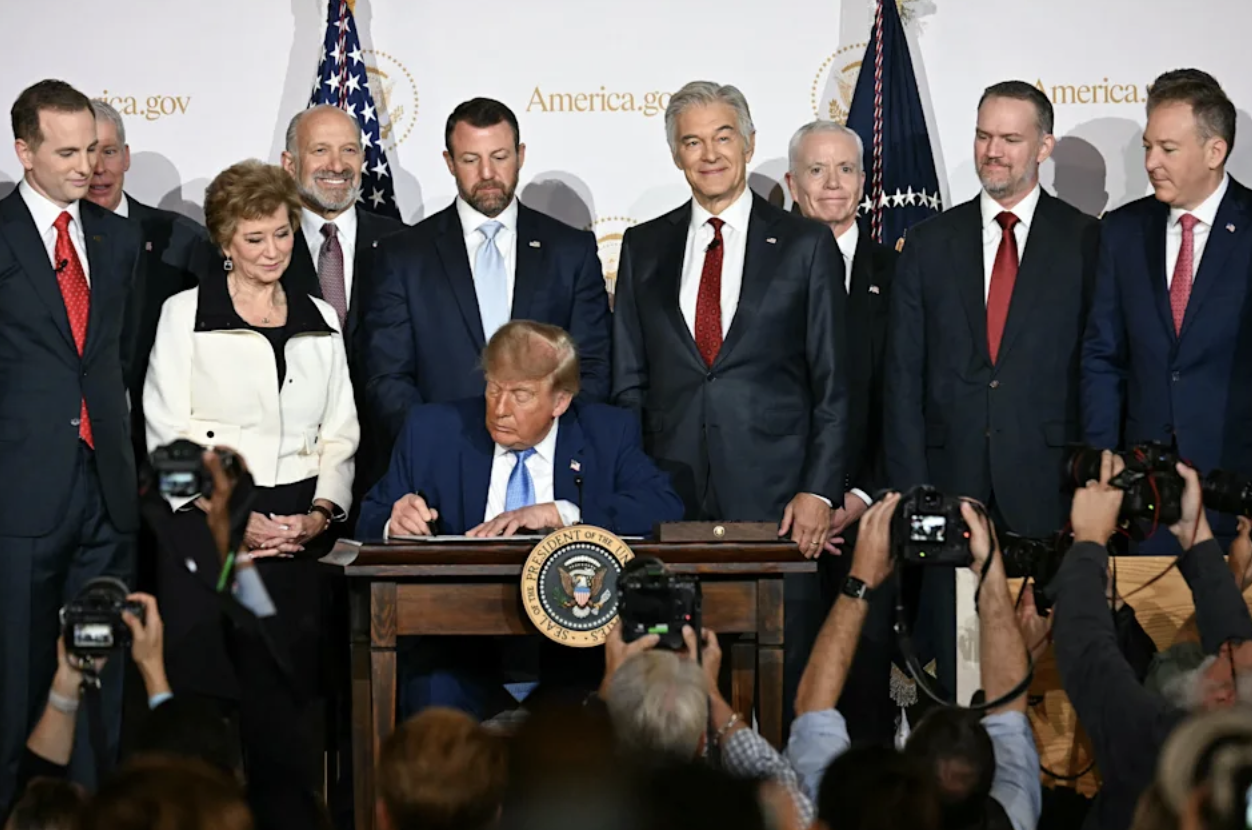


Washington, DC – The Trump Administration is preparing to issue $500 Affordable Care Act refund checks to roughly 1 million Americans.
The refunds, expected to be distributed later this fall, would represent one of the largest single-year consumer reimbursement efforts tied to the health law since its passage in 2010. Officials at the Department of Health and Human Services and the Treasury Department have been coordinating the rollout, though a formal announcement has not yet been released.
A Correction to Premium Calculations
Administration officials say the refunds are linked to updated income verification data, billing discrepancies, and premium miscalculations that occurred across several state and federal marketplaces. Under the ACA, subsidies are reconciled annually based on a consumer’s final income. When insurers or exchanges miscalculate, consumers may be owed money.
“This is essentially a correction,” one senior official said, noting that the government identified “a significant number of enrollees who paid more than they should have.”
Who Will Receive Payments
Eligibility will vary by state and marketplace, but officials say the refunds will generally apply to:
- Americans enrolled in ACA marketplace plans during the 2025 coverage year
- Individuals whose final income reconciliation showed overpayment
- Consumers affected by identified billing or subsidy errors
Payments will be issued either as mailed checks or direct deposits, depending on how individuals received prior tax credits.
Political and Public Reaction
The move arrives amid ongoing national debate over healthcare affordability. Supporters argue the refunds highlight the administration’s commitment to correcting systemic issues within the ACA. Critics say the underlying miscalculations point to deeper structural problems in the marketplace’s subsidy system.
Policy analysts note that many Americans are unaware they may be owed money, and consumer groups are urging the administration to conduct broad outreach.
What Comes Next
Federal agencies are expected to release more detailed guidance in the coming weeks, including state-by-state eligibility information and a distribution timeline. Officials say the goal is to complete payments before the end of the year.